Dominican Republic Travel Tips: What to Know Before You Go
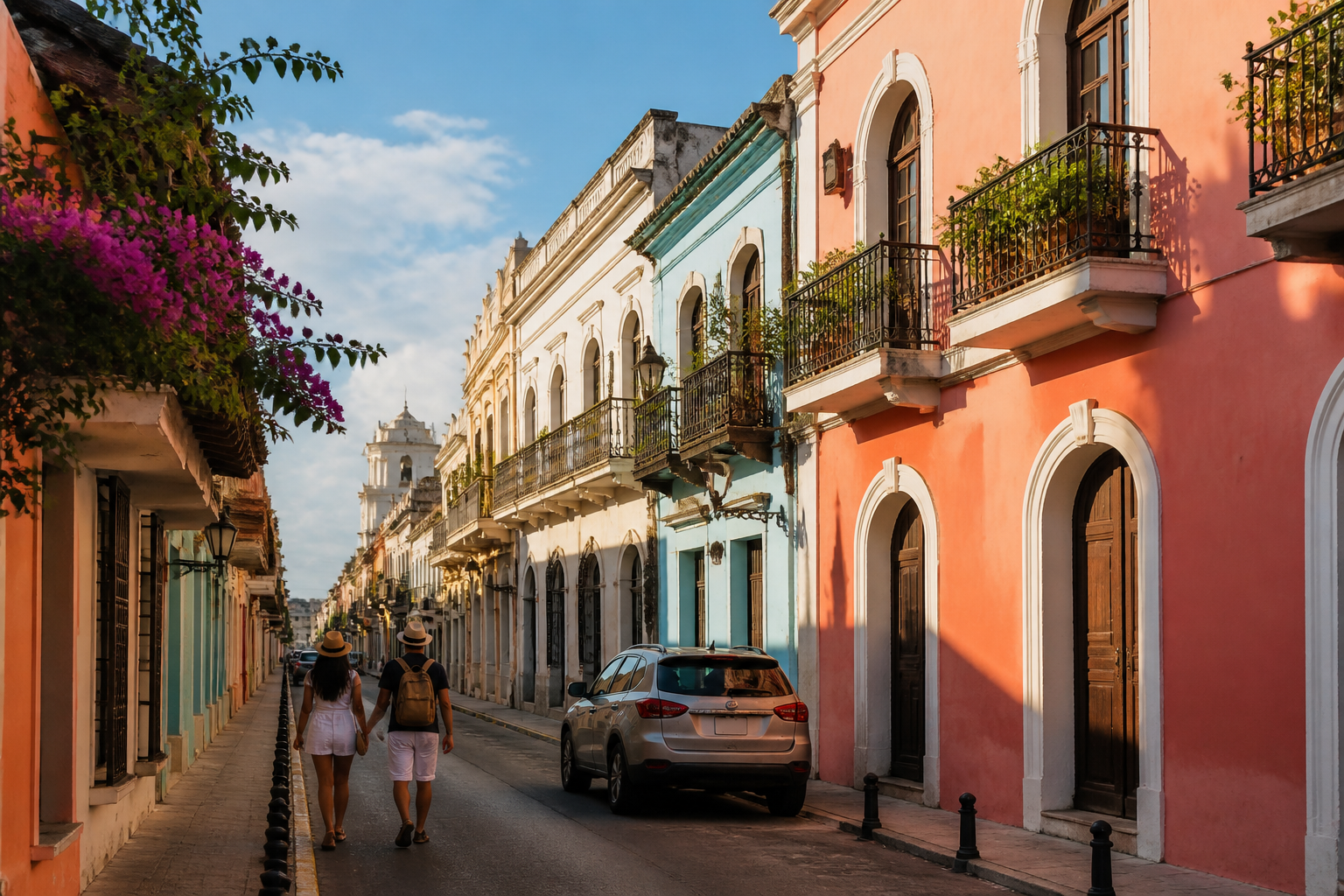
Most Dominican Republic travel advice repeats the same generic beach recommendations. This is the practical list instead: the things that affect your budget, your comfort, and your first day. The currency is the Dominican peso, restaurants add both an 18 percent tax and a 10 percent legally mandated service charge to your bill, and electrical outlets match North American plugs at 110 volts. Small details, but they determine whether your arrival goes smoothly. In Nelly Rent a Car we have been helping travelers navigate this country for more than 60 years. Here is what actually matters.
Money, tipping and what things really cost
The Dominican peso, written RD$, is the official currency, and while some tourist businesses accept US dollars they apply their own exchange rate, which is almost always worse than a bank or authorized exchange house. Withdraw pesos from an ATM on arrival and keep cash for highway tolls, small restaurants, and fuel stations, where attendants pump for you and a small tip is customary. On tipping, understand the structure before you overpay: restaurants add 18 percent ITBIS tax plus a 10 percent legal service charge automatically, so the total on your bill is already 28 percent above menu prices. Additional tipping is appreciated for good service but is not obligatory on top of that. Visa and Mastercard are widely accepted in cities, resorts, and malls, but rural areas and toll booths run on cash.
Weather, timing and practical logistics
December through April is the drier, more comfortable season across most of the country, though the north coast around Puerto Plata receives more rain year-round than the south. Atlantic hurricane season runs from June 1 to November 30, with peak activity typically between August and October, which is also when rates are lowest. Temperatures stay warm at sea level year-round, but pack something warm if your itinerary includes Constanza or Jarabacoa, where mountain nights get genuinely cold. Tap water is not recommended for drinking, so use bottled water, which is inexpensive and available everywhere. Electricity is 110 volts with North American style plugs, so US and Canadian devices need no adapter while European devices do. Power interruptions still occur in some areas, though most hotels have generators.
Safety, language and getting around
The Dominican Republic is visited by millions annually and normal urban precautions apply here as they would in any large city: use attended parking rather than the street, avoid displaying valuables, and stick to well-traveled areas at night. The national emergency number is 9-1-1 and operates countrywide, and CESTUR, the specialized tourist security force, patrols main tourist areas. Spanish is the official language, and while English is widely spoken in resorts and tourist zones, it is much less common in smaller towns, so a translation app is useful off the beaten path. On transport, the most consequential decision is whether to rent a car. Organized excursions charge per person and run fixed schedules, so for groups and families a rental usually costs less and offers considerably more freedom.
Frequently Asked Questions
What currency is used in the Dominican Republic?
The Dominican peso, abbreviated DOP and written RD$. Some tourist businesses accept US dollars but apply their own exchange rate, which is typically less favorable than a bank or authorized exchange house. Withdraw pesos from an ATM on arrival and keep cash available for highway tolls, fuel stations, and small establishments, which frequently do not accept cards.
How much should I tip in the Dominican Republic?
Less than most visitors assume, because restaurants already add 18 percent ITBIS tax plus a 10 percent legally mandated service charge to the bill, bringing the total to about 28 percent above menu prices. Additional tipping for good service is appreciated but not obligatory. For hotel staff, drivers, and fuel station attendants, small cash tips in pesos are customary.
What is the best time to visit the Dominican Republic?
December through April offers the driest and most comfortable weather across most of the country. Atlantic hurricane season runs June 1 to November 30, with peak activity generally between August and October, which is also the lowest-price window. The north coast around Puerto Plata and Cabarete receives more rainfall year-round than the southern and eastern coasts.
Is the Dominican Republic safe for tourists?
It receives millions of visitors annually and standard precautions are what matter: use attended parking, avoid displaying valuables, stay in well-traveled areas after dark, and do long drives in daylight. The 9-1-1 emergency system operates nationwide and CESTUR, the tourist security force, patrols main tourist zones. Most incidents involving visitors are opportunistic rather than violent.
Do I need to speak Spanish in the Dominican Republic?
Not in resorts, main tourist areas, and airports, where English is widely spoken. Outside those areas, in smaller towns, local restaurants, and rural gas stations, Spanish becomes much more useful and a translation app on your phone is worth having. Learning a few basic phrases goes a long way, particularly if your plans include driving beyond the tourist corridors.
The details that shape a Dominican trip are practical ones: pesos in cash for tolls, the 28 percent already on your restaurant bill, and whether you can leave the resort on your own schedule. Nelly Rent a Car has operated here for more than 60 years, with locations at Las Américas, Punta Cana, Santiago, and Puerto Plata airports. Call or WhatsApp us at 809-687-7997, or write to reservas@nellyrac.com.